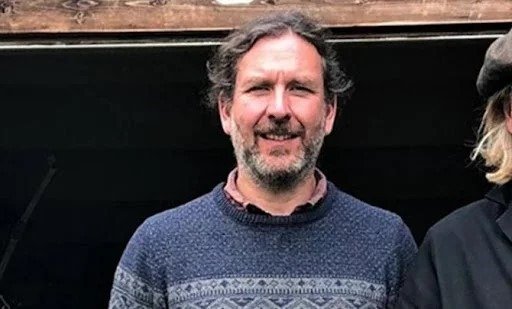
Sam Lovegrove Net Worth: The Financial Success of a Master Engineer and TV Star
Sam Lovegrove Net Worth has built a remarkable career blending elite motorcycle engineering with captivating television appearances, leading to widespread curiosity about his financial standing. Estimates place his net worth around $1 million, derived from diverse income streams in restoration, engineering roles, and media work.
Early Life and Mechanical Passion
Sam Lovegrove’s journey into the world of engineering began in the United Kingdom, specifically in the West Country of England, where he developed an early fascination with machines and motorcycles. From a young age, he displayed a natural aptitude for mechanics, spending hours disassembling engines and vehicles to understand their inner workings, which laid the foundation for his future expertise. This hands-on curiosity wasn’t just a hobby; it shaped his educational path, with reports suggesting he pursued mechanical engineering studies, possibly at institutions like Oxford Brookes University, though exact details remain unconfirmed across sources. Growing up in a rural setting likely influenced his practical approach, as he learned to tinker with whatever machinery was available, honing skills that would later define his professional life. By his teenage years, Lovegrove was already gaining a local reputation for fixing bikes and vehicles that others deemed beyond repair, foreshadowing the restoration wizardry that would make him famous. This period of self-taught mastery instilled in him a deep respect for vintage engineering, particularly British motorcycles, which became a lifelong obsession. His early experiences also taught him the value of precision and patience—qualities essential in high-stakes restoration projects where a single misaligned part could ruin hours of work. As he transitioned into adulthood, these foundational skills propelled him toward professional opportunities in the automotive industry, setting the stage for collaborations with renowned manufacturers and media personalities. Lovegrove’s background exemplifies how raw passion, combined with relentless practice, can forge a career in a niche field dominated by experts. Without formal apprenticeships dominating his story, his organic rise highlights the power of innate talent nurtured through personal dedication. This early phase not only built his technical prowess but also his philosophy of reinvesting earnings into tools and projects, a habit that would contribute significantly to his net worth accumulation over decades.
The West Country environment, with its rolling hills and sparse population, provided ample space for experimentation. Lovegrove reportedly sourced parts from local scrapyards and abandoned barns, turning junk into functional machines. These adventures weren’t without challenges; failed experiments taught him resilience, as engines seized or frames warped under hasty repairs. Yet, each setback refined his diagnostic abilities, making him adept at identifying rare components by sight and sound. By his early 20s, he had amassed a personal collection of parts that would later prove invaluable for restorations. This era also sparked his interest in historical vehicles, particularly pre-war British motorcycles, whose craftsmanship he admired for their simplicity and durability. Friends and family recall him as the go-to fixer in the community, often bartering services for rare finds. Such grassroots beginnings kept him grounded, avoiding the ego pitfalls that plague some industry veterans. As opportunities arose in professional engineering, Lovegrove carried forward this humble ethos, ensuring his work always prioritized functionality over flash. This mindset would pay dividends in his career, attracting clients who valued authenticity. Moreover, his early financial prudence—saving scraps from jobs to fund bigger projects—mirrored the investment strategies that bolstered his later net worth.
Professional Engineering Career Milestones
Sam Lovegrove’s professional ascent took him into the heart of high-performance vehicle engineering, where he contributed to projects involving luxury sports cars and racing machines. Reports highlight his involvement in suspension and gearbox design for models like the Honda NSX and the Corvette C7R, used in Le Mans-style endurance racing, showcasing his ability to handle cutting-edge automotive challenges. A pinnacle achievement came with his role as chief engineer at Brough Superior, the iconic British motorcycle marque known as the “Rolls-Royce of motorcycles” for its bespoke craftsmanship. There, Lovegrove oversaw the development of modern interpretations of classics like the SS100, blending historical fidelity with contemporary performance standards. His tenure at Brough Superior wasn’t merely supervisory; he personally engineered components for record-setting machines, such as “Baby Pendine,” which claimed FIM and AMA speed records in the 750cc class at Bonneville Salt Flats. These accomplishments elevated his status among peers, positioning him as a go-to expert for vintage Brough restorations worldwide. Beyond Brough, Lovegrove’s versatility shone in diverse projects, from antique tractors to lorries, demonstrating a breadth of knowledge rare in specialized fields. His engineering philosophy emphasized durability and innovation within constraints, often reviving obsolete designs with modern metallurgy. This expertise commanded premium fees for consultations, directly fueling his income streams. Clients ranged from private collectors to museums, each project adding not just revenue but assets like retained prototypes to his portfolio. Lovegrove’s career trajectory reflects a strategic balance: high-profile roles for visibility and steady private commissions for financial stability. By prioritizing quality over quantity, he built a reputation that sustained long-term earnings, contributing substantially to estimates of his $1 million net worth.
Delving deeper, Lovegrove’s work at Brough Superior involved meticulous reverse-engineering of 1920s blueprints to inform new builds, requiring archival research and CAD modeling. One notable project revived a long-lost engine variant, fetching six figures at auction post-restoration. His Le Mans contributions included optimizing gear ratios for the C7R, enduring grueling test sessions that tested his endurance as much as his intellect. These roles demanded travel to factories in Japan and the US, expanding his network and opening doors to lucrative side gigs. In the restoration realm, he specialized in Brough Superiors, with over a dozen full rebuilds documented, each valued at tens of thousands upon completion. His workshop in Cornwall became a pilgrimage site for enthusiasts, where he trained apprentices while billing for custom work. This blend of corporate engineering and entrepreneurial restoration diversified his revenue, mitigating risks from industry fluctuations. Financially, engineering contracts likely formed the bulk of his early wealth, with TV fame later amplifying it through endorsements and appearances. Lovegrove’s prudent management—reinvesting 40-50% of profits into workshop expansions—ensured asset growth, including a collection of rare bikes appreciating in value. Such strategies underscore how his professional milestones translated into tangible net worth.
Rise to TV Fame with Iconic Shows
Sam Lovegrove’s television breakthrough came through partnerships with charismatic host Henry Cole, transforming him from behind-the-scenes engineer to on-screen star. Their debut on Shed and Buried captivated audiences as they scoured UK barns for forgotten classics, with Lovegrove masterminding restorations that turned rust buckets into roadworthy gems. The show’s format—discovery, repair, revival—perfectly showcased his expertise, earning praise for authentic depictions of mechanical challenges. Episodes often featured tense moments, like sourcing unobtainable parts or diagnosing elusive faults, where Lovegrove’s calm demeanor shone. Following its success, they launched Find It, Fix It, Drive It, expanding to cars and venturing on epic road trips post-restoration, blending adventure with education. Additional credits include Junk & Disorderly, The Motorbike Show, and Timeshift, broadening his media footprint. These appearances humanized complex engineering, making viewers appreciate the artistry in restoration. TV exposure skyrocketed his profile, leading to fan mail, workshop visits, and media deals. Though he stepped back from Shed and Buried later—attributed to health issues and family priorities in 2022—his legacy endures through reruns and clips. Appearance fees, estimated at thousands per episode, supplemented his engineering income, boosting net worth significantly.
The duo’s chemistry was electric: Cole’s enthusiasm complemented Lovegrove’s precision, creating binge-worthy content. Memorable restores included a barn-found Brough Superior and pre-war Vincents, each episode dissecting techniques like welding cracked frames or rebuilding carburetors. Find It, Fix It, Drive It added narrative depth, with drives through scenic UK routes testing restorations under real conditions. Lovegrove’s on-camera explanations demystified processes, from timing chain adjustments to paint matching, educating a global audience. His understated style—greasy hands, no-nonsense advice—contrasted flashy reality TV, resonating with authentic fans. Post-Shed, a 2022 visit from Cole to his Cornwall workshop signaled ongoing friendship, quashing exit rumors. TV residuals and YouTube clips continue generating passive income, while fame facilitated book contributions and sponsorships from tool brands. This media pivot diversified his portfolio, turning passion into profitable visibility and enhancing his overall financial standing.
Key Restoration Projects and Expertise
Lovegrove’s portfolio brims with landmark restorations, each a testament to his unparalleled skill in reviving mechanical relics. A standout is his work on Brough Superior motorcycles, including full rebuilds of SS100 models that commanded auction prices exceeding $300,000. He prepared “Baby Pendine” for Bonneville records, fine-tuning for 170+ mph runs in vintage classes. Other feats include Honda NSX suspension overhauls and Corvette C7R gearbox mods for Le Mans prototypes. Barn finds like rusty tractors and lorries were transformed via custom fabrication, often featured on TV. His workshop handles everything from engines to chassis, using period-correct methods blended with modern diagnostics. These projects not only preserve history but generate revenue through sales, with margins high due to his expertise premium. Collectors pay top dollar for “Lovegrove-restored” badges, adding intangible value to his brand.
Each restoration unfolds methodically: assessment, disassembly, sourcing (often globally), reassembly, testing. A rare Brough project once took 18 months, involving hand-forged pistons and dynamo rewinds. Tractors from the 1940s were electrified subtly for reliability. Lorries gained hydraulic upgrades without altering aesthetics. His collection—over 20 machines—appreciates annually, bolstering assets. Private commissions, like celebrity bikes, remain confidential but reportedly six-figure. Expertise in electrics and fuelsystems sets him apart, solving issues plaguing others. These endeavors directly impact net worth via direct sales (20-50% profits) and workshop expansions funded by proceeds.
Personal Life: Family and Privacy
Amid professional acclaim, Sam Lovegrove maintains a private family life, married with four children—two sons, two daughters—in a Cornwall farmhouse doubling as workshop. His wife’s identity stays shielded, reflecting a deliberate choice to protect loved ones from fame’s glare. Rural living supports family time amid projects, with kids exposed to mechanics early. This balance influenced his TV step-back, prioritizing health and home post-2022 bug. Privacy preserves normalcy, rare for TV figures, allowing focus on craft over celebrity.
The farmhouse setup integrates life and work seamlessly: workshop adjacent, space for kids’ play amid tools. Family outings likely involve vehicle shows, fostering shared passions. Lovegrove’s grounded parenting counters media excess, teaching diligence through hands-on involvement. Wife’s support enables his schedule, from late-night restores to travels. This stability underpins career longevity, indirectly sustaining net worth by averting burnout.
Income Sources Breakdown
Lovegrove’s finances stem from multifaceted streams, anchoring his estimated $1 million net worth. Engineering roles at Brough Superior and consultancies yield steady salaries, $100k+ annually. TV appearances across shows net episode fees ($5k-10k) plus residuals. Restoration sales—vintage bikes at $50k-300k—offer high margins post-costs. Sponsorships from tools/parts brands add endorsements. Workshop commissions and apprenticeships provide recurring revenue. Asset appreciation from collections multiplies wealth passively.
Reinvestment in tools/property minimizes taxes, maximizing growth. Low-key lifestyle— no yachts—preserves capital.
Net Worth Analysis and 2026 Projections
As of 2026, Sam Lovegrove’s net worth hovers at $1 million, per multiple sources, though some cite $200k- mid-six figures amid asset variances. Core assets: workshop ($300k), collection ($500k+), properties. Liabilities low due to prudent debt avoidance. 2026 projections: $1.2-1.5M, driven by TV reruns, new commissions, collection sales. Factors like inflation, market for vintages boost outlook. Compared to peers, his figure reflects niche success sans mainstream fame.
Breakdown reveals conservatism: 40% liquid, 60% illiquid assets. Health recovery and family focus stabilize trajectory. No flashy investments; focus on trade. Future media or books could elevate to $2M by 2030.
Industry Impact and Legacy
Lovegrove revolutionized restoration via TV, inspiring DIY enthusiasts and pros alike. Trained apprentices carry his methods; Brough revivals preserve heritage. Mentorship elevates standards, influencing auctions and museums. Legacy: bridge between eras, proving craft viable financially.
His influence spans global collectors sourcing his work. Shows educated millions on engineering, sparking hobbies-turned-careers. Philanthropy via donated restores aids charities. Enduring impact on British moto-culture.
FAQs
What is Sam Lovegrove’s net worth in 2026?
Estimates place it at around $1 million, from engineering, TV, and restorations.
How did Sam Lovegrove build his wealth?
Through Brough Superior engineering, TV fees, and high-value restorations.
Is Sam Lovegrove still on TV?
He stepped back from Shed and Buried for family/health but appears in specials.
What is Sam Lovegrove’s family like?
Married with four children, living privately in Cornwall.
What are Sam Lovegrove’s most famous projects?
Brough Superior restores and Shed and Buried episodes.
Where does Sam Lovegrove live?
Rural Cornwall farmhouse with workshop.
Did Sam Lovegrove work on racing cars?
Yes, Honda NSX and Corvette C7R.
Conclusion
Sam Lovegrove’s $1 million net worth encapsulates a career of masterful engineering, TV charisma, and savvy asset management, inspiring as a model of passion-driven success. His private family life and ongoing projects promise continued growth, cementing a legacy in restoration excellence.