 Admin
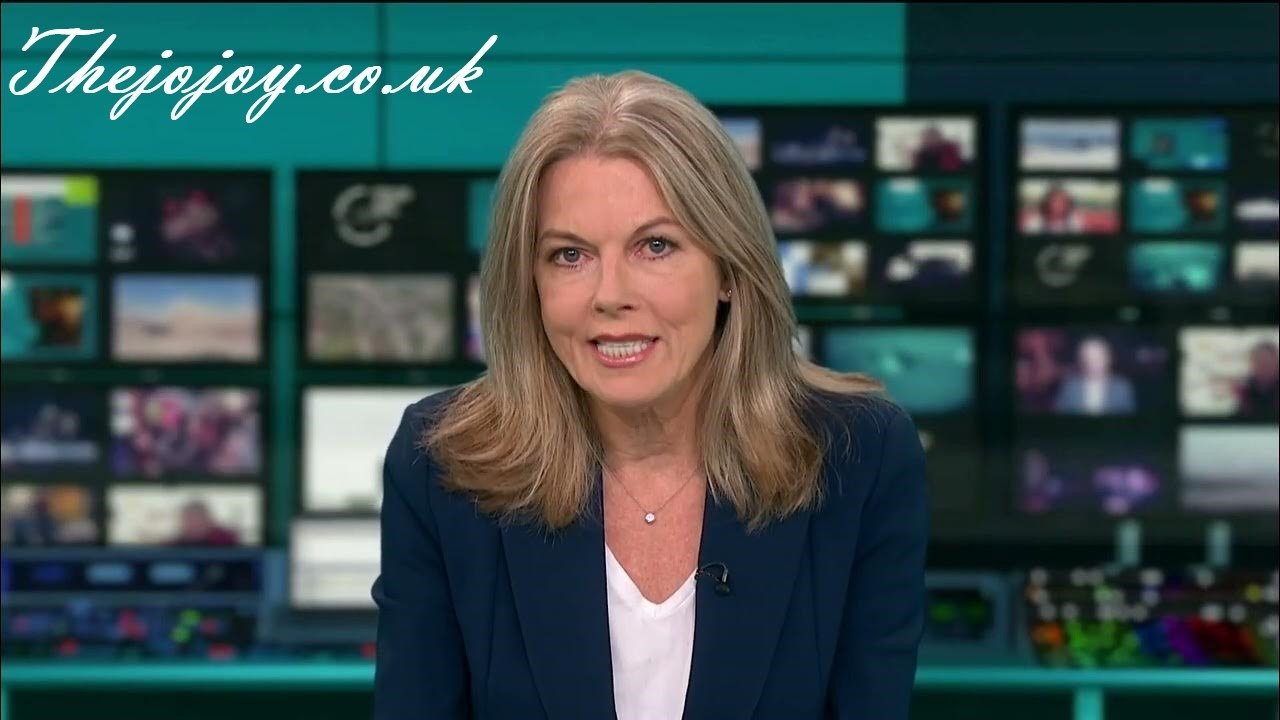
Admin Mary Nightingale Illness, the esteemed ITV Evening News presenter, has long been a pillar of British journalism with her poised delivery and unwavering professionalism. Over the years, concerns about her health, particularly her voice, have sparked widespread speculation, but the reality reveals a story of stress-related vocal strain rather than a severe illness.
Early Signs of Vocal Trouble
Viewers first noticed subtle changes in Mary Nightingale’s voice during the early 2000s, when her broadcasts occasionally featured a raspy or strained tone that disrupted her otherwise flawless delivery. This hoarseness became more pronounced over time, leading to moments where she struggled to project clearly, prompting online forums and social media to buzz with worry about potential throat cancer or chronic conditions. For a broadcaster whose voice is her primary instrument, these episodes were not just inconvenient but deeply concerning, as they risked undermining her credibility during live prime-time slots. Mary herself acknowledged the fear these symptoms instilled, especially given the high-stakes nature of her role at ITV, where every word counts in delivering national and international news. The persistence of these issues forced her to confront the possibility that her demanding career might be taking a physical toll, setting the stage for a deeper investigation into her health.
Medical Investigations and Ruling Out Serious Conditions
Mary sought medical attention promptly, undergoing a battery of tests including scans, laryngoscopies, and consultations with throat specialists to rule out grave diagnoses like cancer or vocal cord nodules. These exhaustive evaluations, which spanned months, ultimately came back negative, providing immense relief but leaving the root cause elusive at first. Specialists noted that her symptoms—recurring hoarseness, voice fatigue, and occasional complete loss—mirrored those seen in high-pressure professions but were not indicative of structural damage. During this period, she was even hospitalized briefly due to the severity, compounded by her grueling schedule of international travel lasting over four months. The covert tests confirmed no malignancy, allowing her to shift focus from fear of terminal illness to practical recovery strategies, a turning point that highlighted her resilience.
The Role of Stress in Vocal Strain
The diagnosis eventually pointed to stress as the primary culprit, a common yet often overlooked trigger for vocal dysfunction in media professionals, teachers, and public speakers. Chronic stress causes muscle tension around the larynx, leading to inflammation and impaired vocal cord vibration, which manifests as the exact symptoms Mary experienced. Years of tight deadlines, public scrutiny, and emotional news coverage had cumulatively worn on her, turning her voice into a barometer for burnout. This revelation was not unique to Mary; experts explain that under prolonged stress, the body’s fight-or-flight response tightens throat muscles, reducing airflow and clarity over time. Her case underscored how lifestyle factors in broadcasting—long hours, lack of vocal rest, and high emotional demands—can mimic serious pathology, emphasizing the need for holistic health management in such careers.
Recovery Strategies and Voice Therapy
Recovery began with targeted interventions like speech therapy, vocal rest periods, hydration protocols, and stress-reduction techniques, which Mary integrated into her routine without derailing her career. Therapists worked on exercises to strengthen her vocal cords, improve breath support, and release tension, gradually restoring her signature smooth delivery. Dietary adjustments, such as avoiding irritants like caffeine and dairy, complemented these efforts, while mindfulness practices helped address the underlying stress. She balanced professional commitments by pacing broadcasts and incorporating downtime, demonstrating discipline that allowed her to return stronger. This multifaceted approach not only healed her voice but also built long-term resilience, proving that proactive care can prevent recurrence in demanding roles.
Impact on Career and Public Perception
Despite the challenges, Mary’s health scare did not sideline her; instead, it fueled her determination, as she continued anchoring ITV’s flagship program with minimal absences. Public speculation peaked with rumors of dying from throat cancer nearly two decades ago, but her persistence dispelled much of the myth, turning concern into admiration for her grit. Colleagues praised her for powering through, noting how she adapted on-air techniques to mask difficulties until fully recovered. This episode shifted viewer perceptions from seeing her as infallible to appreciating her humanity, strengthening her bond with audiences who valued her authenticity. Today, in 2026, updates confirm she remains active and healthy, with no lingering issues, as evidenced by her continued social media engagement and broadcasts.
Lessons from Mary’s Experience
Mary Nightingale’s illness journey offers timeless lessons on listening to one’s body amid career pressures, seeking early professional help, and prioritizing mental health. It highlights how stress can manifest physically, urging those in voice-dependent fields to adopt preventive habits like regular check-ups and relaxation routines. Her story serves as a beacon for balancing ambition with well-being, proving that vulnerability can enhance rather than diminish professional stature.
Broader Context of Health in Broadcasting
Broadcasters like Mary face unique risks from constant vocal use, with studies showing higher incidences of strain in newsrooms due to live formats and deadlines. Similar cases among peers underscore the industry’s need for better support, such as mandatory vocal coaching and ergonomic studios. Mary’s transparency has sparked discussions on workplace wellness, influencing policies at outlets like ITV.
Recent Health Updates in 2026
As of February 2026, Mary Nightingale is in excellent health, with recent reports quashing any renewed rumors and confirming her robust return to full duties. She shares glimpses of her wellness routine online, emphasizing recovery maintenance and inspiring fans.
FAQs
What exactly was Mary Nightingale’s illness?
Mary’s issues stemmed from stress-induced vocal strain, not cancer or chronic disease, as confirmed by medical tests.
When did Mary Nightingale first experience voice problems?
Symptoms emerged in the early 2000s, worsening over months and drawing public notice.
Did Mary Nightingale have throat cancer?
No, extensive tests ruled out cancer; stress was the diagnosed cause.
How did Mary Nightingale recover from her vocal issues?
Through speech therapy, rest, hydration, diet changes, and stress management.
Is Mary Nightingale still ill in 2026?
No, she is fully recovered and actively presenting, per latest updates.
What caused Mary Nightingale’s voice problems?
Chronic stress from broadcasting demands led to laryngeal tension and hoarseness.
Did her illness affect her ITV career?
Minimally; she continued working with adaptations and fully recovered.
Conclusion
Mary Nightingale’s triumph over vocal strain exemplifies resilience, offering hope and practical wisdom for health challenges in high-pressure careers. Her story reminds us that with timely intervention and self-care, even career-threatening hurdles can be overcome, securing a legacy of strength and poise.