 Admin
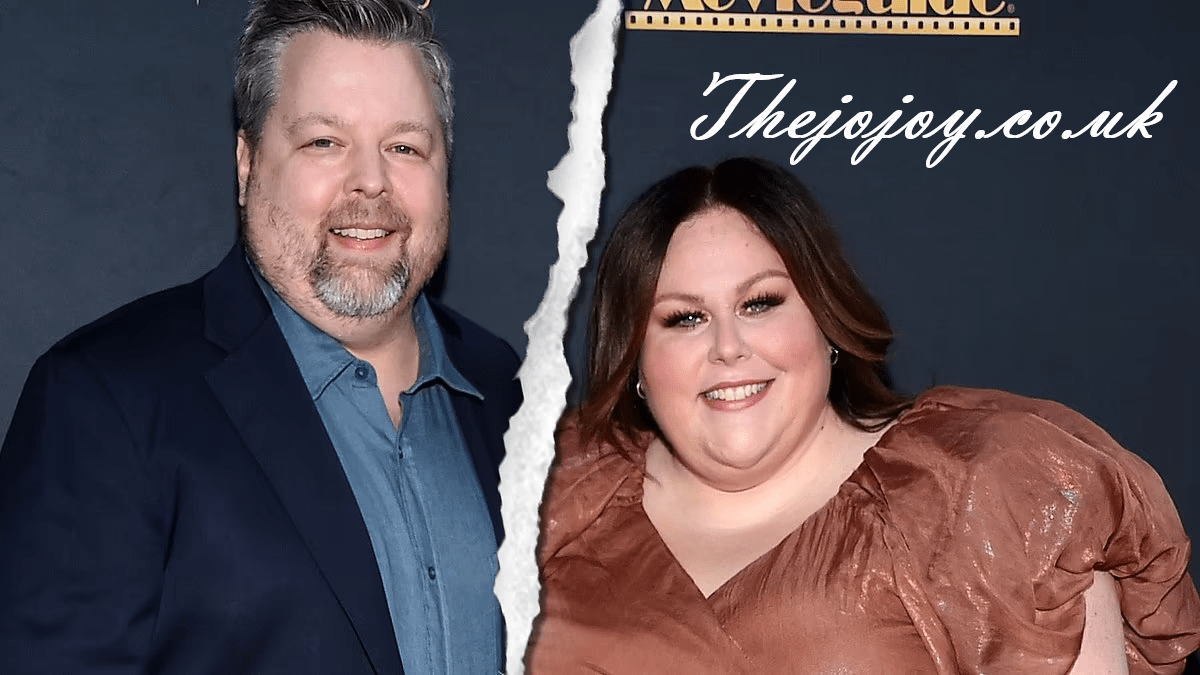
Admin Martyn Eaden remains a figure of intrigue in the world of independent filmmaking and personal stories intertwined with celebrity. Best known as the ex-husband of actress Chrissy Metz from This Is Us, his own contributions as a British screenwriter and filmmaker deserve recognition beyond the headlines. This comprehensive exploration delves into his life, career, and legacy.
Early Life and Background
Martyn Eaden was born on April 10, 1970, in Hampshire, United Kingdom, making him 55 years old as of January 2026. Growing up in the picturesque region of Hampshire, known for its rolling countryside and historical sites, Martyn developed an early affinity for storytelling, influenced by the rich literary tradition of Britain. Hampshire, with its proximity to London, provided a fertile ground for budding creatives, where tales of adventure from authors like Jane Austen and Charles Dickens permeated the cultural air. Though specific details about his childhood remain scarce—reflecting his preference for privacy—Eaden’s formative years laid the foundation for a career in writing that would span journalism, screenplays, and independent film production.
His education in Hampshire equipped him with the skills necessary to navigate competitive fields. Eaden pursued studies that honed his command of language and narrative structure, essential for a writer. Relocating to London after completing his schooling marked a pivotal shift; the bustling capital, teeming with media outlets and production houses, became his professional proving ground. This move symbolized ambition, as London has long been a hub for British creatives seeking to break into television and print media. Here, Martyn began freelancing, contributing to esteemed publications that shaped public discourse. His early exposure to high-profile journalism sharpened his ability to craft compelling stories, a skill that later translated seamlessly into screenwriting.
The socio-cultural environment of 1970s and 1980s Britain, marked by economic shifts and a booming media industry, influenced Eaden’s worldview. Thatcher-era changes spurred a freelance economy, allowing talents like his to thrive without traditional employment structures. Family background details are not publicly documented, but his Caucasian ethnicity and British nationality underscore roots in a nation renowned for its storytelling prowess—from Shakespeare to modern screenwriters. Standing at 180 cm (5’11”) and weighing around 74 kg, Eaden possesses a presence that aligns with the understated confidence of many behind-the-scenes artists. Dark brown eyes and black hair complete a profile that, while unassuming, hides depths explored through his work.
Entry into Journalism and Writing
Martyn Eaden’s professional journey commenced as a freelance writer in London, where he penned articles for heavyweight publications such as The Times, The Guardian, and The Independent. These outlets, pillars of British journalism, demanded precision, insight, and narrative flair—qualities Eaden demonstrated early. Contributing to The Guardian, known for its progressive stance and investigative depth, allowed him to tackle diverse topics, from cultural critiques to social issues. Similarly, The Times offered a platform for more conservative-leaning analyses, broadening his stylistic range. The Independent, with its focus on unbiased reporting, further refined his voice, teaching him to balance facts with engaging prose.
Transitioning to television, Eaden collaborated with production teams on iconic British soaps like Coronation Street and EastEnders. These shows, cultural staples since the 1960s and 1980s respectively, boast massive viewership and intricate storylines exploring working-class life, family dramas, and social realism. Working with their teams involved scripting episodes, developing character arcs, and ensuring narrative continuity—tasks that demanded collaboration under tight deadlines. Coronation Street, set in fictional Weatherfield, mirrors northern English life, while EastEnders captures East London grit. Eaden’s involvement here bridged print and broadcast media, showcasing versatility.
Later, he joined the West Coast Company as a journalist and freelance screenwriter, a role that expanded his horizons internationally. This period marked a shift toward film, where writing for the screen required visual storytelling and concise dialogue. Freelancing afforded flexibility, allowing Eaden to juggle projects while building a portfolio. His work ethic, honed in London’s competitive scene, positioned him for indie film ventures. By the early 2000s, Eaden had established credentials blending journalistic rigor with dramatic flair, setting the stage for cinematic pursuits.
Screenwriting and Film Career
Martyn Eaden’s foray into film credits him as writer, director, and producer across several projects, as listed on IMDb. His notable works include Thoughtform (2016), a short film where he served as writer and director, and Spurned (2016), another short where he penned the screenplay. These indie shorts exemplify his passion for concise, impactful narratives typical of the genre. Thoughtform, directed by Eaden, explores psychological themes, leveraging visual metaphors to delve into human cognition—a nod to his journalistic roots in unpacking complex ideas.
Spurned, directed by Merik Tadros, features Eaden’s screenplay centered on emotional rejection, a universal theme rendered through taut drama. Released in 2016, it highlights his ability to craft tension in limited runtime, a skill vital for festivals and streaming platforms. Additionally, Eaden contributed to Death Factory (2014), Steven Judd’s horror thriller, where his writing added layers to the genre’s suspense. Horror demands precise pacing and escalating dread, areas where Eaden excelled, drawing from real-world tensions observed in his reporting career.
Currently in pre-production, Olivia Mabel stands as Eaden’s most ambitious project, with him credited as writer (story by) and executive producer. This upcoming feature promises deeper exploration of character-driven stories, potentially elevating his profile in indie circles. Executive producing involves oversight of budget, casting, and vision—roles demanding business acumen alongside creativity. Eaden’s portfolio, though modest in volume, reflects quality over quantity, focusing on indie enthusiasm amid Hollywood’s blockbuster dominance. His retreat from mainstream spotlight underscores a commitment to artistic integrity.
Eaden’s style favors indie sensibilities: raw emotion, psychological depth, and social undertones. Collaborations with directors like Tadros and Judd reveal a network built on mutual respect. In an era of streaming wars, his shorts find homes on platforms valuing niche content. Though not a household name, Eaden’s credits position him as a filmmaker’s filmmaker, influencing emerging talents through festivals and online distribution.
Personal Life and Marriage to Chrissy Metz
Martyn Eaden’s personal life gained public attention through his marriage to American actress Chrissy Metz, star of This Is Us. The couple met via a dating app in the mid-2000s—Eaden in Sheffield, England, Metz in the USA—sparking a year-long-distance romance. This digital connection, prescient of modern love, bridged continents via technology. Eaden’s flight to the US for their first meeting cemented the bond, leading to a small wedding in Santa Barbara, California, in 2008. Absent family due to distance, the intimate ceremony emphasized their commitment.
Their union lasted nearly seven years, ending in separation in January 2013, with divorce filed by Eaden in November 2014 and finalized in December 2015 on grounds of irreconcilable differences. The split, amid Metz’s rising career, drew media scrutiny, yet both maintained dignity. Post-divorce, Eaden retreated from publicity, eschewing social media and interviews, contrasting Metz’s visibility. Rumors of his whereabouts persist, but Hampshire or London roots suggest a low-key UK life.
No children resulted from the marriage, aligning with Eaden’s private persona. Metz later dated Josh Stancil (2016-2018) and Bradley Collins (2020 onward), while Eaden’s status remains unknown. Their story illustrates cross-cultural challenges: time zones, careers, and fame’s pressures. Eaden’s support during Metz’s early struggles—pre-This Is Us fame—highlights a partnership of equals, though divergent paths led to parting.
Professional Challenges and Indie Film Landscape
Navigating indie filmmaking presents hurdles Eaden has adeptly managed. Budget constraints demand ingenuity; shorts like Thoughtform rely on minimal crews and locations. Festivals—Sundance, Tribeca—offer exposure but fierce competition. Eaden’s journalistic background aids pitching, framing projects as stories with hooks.
Post-divorce, Eaden focused inward, with Olivia Mabel signaling resurgence. The 2020s indie boom, fueled by Netflix and YouTube, favors his style. Yet, algorithm-driven distribution challenges visibility. Eaden’s lack of social media hampers self-promotion, a double-edged sword preserving authenticity.
Collaborations sustain momentum; producing Olivia Mabel involves fundraising via grants, crowdfunding. UK Film Council support aids British indies. Eaden embodies resilience, turning personal narrative into professional fuel.
Legacy and Future Prospects
Martyn Eaden’s legacy lies in bridging journalism and film, crafting stories that resonate quietly. As Olivia Mabel nears production, anticipation builds for expanded reach. His influence on indie scenes persists through mentees and shorts inspiring creators.
In 2026, with AI scripting tools emerging, Eaden’s human touch—nuanced emotion from lived experience—remains vital. Potential directing expansions or TV returns loom. Privacy affords focus, positioning him for timeless contributions.
FAQs
Who is Martyn Eaden?
Martyn Eaden is a British screenwriter, director, and former journalist best known for indie films like Thoughtform and Spurned, and as the ex-husband of Chrissy Metz.
What is Martyn Eaden’s date of birth?
He was born on April 10, 1970, in Hampshire, UK.
What films has Martyn Eaden written?
Key credits include Olivia Mabel (pre-production), Spurned (2016), Thoughtform (2016), and contributions to Death Factory (2014).
When was Martyn Eaden married to Chrissy Metz?
They married in 2008 and divorced in 2015 after separating in 2013.
Does Martyn Eaden have children?
No, he has no known children.
What publications did Martyn Eaden write for?
He contributed to The Times, The Guardian, and The Independent.
Where is Martyn Eaden now?
He maintains a private life, likely in the UK, with no active social media.
Conclusion
Martyn Eaden exemplifies the dedicated artisan in entertainment, prioritizing craft over fame. His journey from Hampshire freelancer to indie filmmaker, punctuated by a high-profile marriage, underscores perseverance. As projects like Olivia Mabel unfold, Eaden’s understated impact endures, reminding us true storytelling thrives in shadows.