 Admin
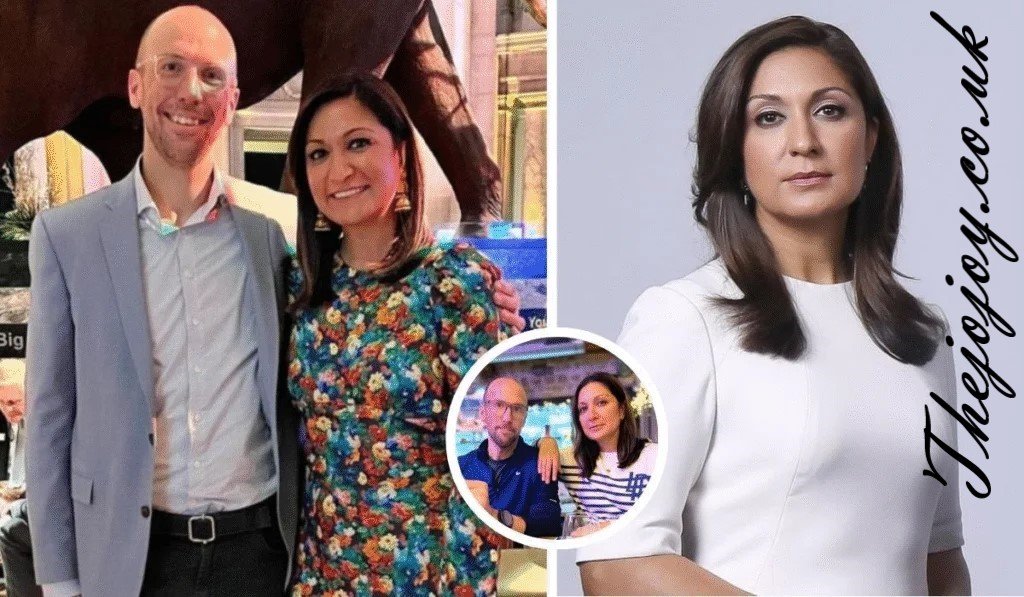
Admin Paul Werdel stands as a testament to quiet excellence in the high-stakes world of journalism and media production. Best known as the devoted husband of acclaimed PBS NewsHour co-anchor Amna Nawaz, he has carved out a distinguished career marked by innovative contributions at global outlets like BBC World News, Al Jazeera English, and The New York Times. While his wife’s on-screen presence commands national attention, Werdel’s behind-the-scenes roles—from producer to product director—have shaped digital news platforms that millions rely on daily. Born in Baltimore, Maryland, and educated at the University of Maryland, his journey reflects a blend of traditional reporting grit and forward-thinking product management, all while prioritizing family amid public scrutiny.
Early Life and Formative Years
Paul Werdel entered the world in Baltimore, Maryland, USA, a city renowned for its resilient spirit and rich cultural tapestry that likely influenced his grounded approach to life and work. Details about his precise birth year remain elusive, with reports placing him in his 40s as of 2025, aligning with his wife Amna Nawaz’s age of 45. His birthday falls on November 17, a fact shared affectionately by Nawaz in a 2023 Instagram post that highlighted their enduring bond despite busy schedules. Growing up in this vibrant East Coast hub, Werdel was exposed to a diverse media landscape, from local newsrooms buzzing with Baltimore’s urban stories to the broader national conversations that would later define his career.
Werdel’s path to prominence began with formal education at the University of Maryland, where he enrolled in 1998 and earned a Bachelor of Arts in Journalism in 2002. This period was pivotal, immersing him in the fundamentals of storytelling, production, and ethical reporting at a time when digital media was just beginning to disrupt traditional outlets. University records and his LinkedIn profile note his early involvement as an assistant lecturer and production coordinator right after graduation, spanning about a year and a half. These roles honed his skills in managing news studios and coordinating high-pressure productions, laying a foundation for his ascent in international journalism. Baltimore’s proximity to Washington, D.C., undoubtedly fueled his interest in policy-driven news, a theme that recurs throughout his professional trajectory.
The cultural backdrop of his upbringing, in a predominantly White ethnic community with Christian roots, contrasted sharply with the multicultural environments he would navigate later. Yet, this early stability provided the resilience needed to thrive in newsrooms where deadlines loomed and stories demanded impartiality. Werdel’s formative years were not marked by public fanfare but by deliberate preparation—late nights editing footage, debating story angles with peers, and mastering the craft that would propel him to global stages. By graduation, he was no novice; he was equipped to tackle the evolving demands of 21st-century journalism, from broadcast production to digital innovation.
Professional Journey: From Local Studios to Global Impact
Paul Werdel’s career launchpad was the University of Maryland Television (UMTV), where he served as News Studio Manager from around 2000 to 2002, overlapping with his studies and early post-grad roles. This hands-on experience in live news production sharpened his ability to orchestrate teams under tight timelines, a skill that became his hallmark. Transitioning seamlessly, he joined BBC World News as a Producer/Director from June 2004 to June 2007, contributing to broadcasts that reached audiences across continents. Here, Werdel managed complex international stories, from geopolitical tensions to human interest features, embodying the BBC’s commitment to unbiased, high-quality journalism.
His tenure at Al Jazeera English from July 2008 to February 2011 as News Editor marked a bold step into Middle Eastern media dynamics, where he oversaw editorial decisions amid rapidly unfolding global events. This role demanded not just technical prowess but cultural sensitivity, as Al Jazeera’s Qatar-based operations covered stories from the Arab Spring precursors to U.S. foreign policy shifts. Werdel’s LinkedIn highlights this period as a crucible for refining his editorial judgment, ensuring stories balanced depth with accessibility for diverse viewers. Following this, he took on Senior Associate Editor at TPM Media LLC, a progressive online news outlet, where he bridged traditional reporting with emerging digital formats.
The pinnacle of Werdel’s professional arc unfolded at The New York Times from October 2014 to April 2018, where he held multifaceted roles: Senior Editor of Platforms, Senior Product Manager, and ultimately Product Director. In these capacities, he spearheaded digital transformations, optimizing platforms for user engagement during an era when mobile news consumption exploded. Initiatives under his watch enhanced interactive storytelling, data visualization, and audience analytics, directly impacting how millions accessed NYT content. Though he stepped back from full-time roles post-2018 to support his family’s needs—becoming the primary caregiver as Nawaz advanced at PBS—his legacy endures in the scalable products he developed. Today, based in Washington, D.C., Werdel maintains a low-profile presence on LinkedIn, connecting with over 500 professionals in the DC-Baltimore media corridor.
Werdel’s career trajectory illustrates a rare versatility: mastering broadcast production, editorial leadership, and product strategy in an industry plagued by disruption. His moves from BBC to Al Jazeera to NYT reflect not opportunism but a pursuit of environments where innovation met impact. Each role built on the last, culminating in product direction that anticipated reader behaviors in a post-print world. Net worth estimates between $1 million and $5 million underscore his success, derived from strategic positions at elite organizations rather than on-camera fame.
The Enduring Love Story with Amna Nawaz
Paul Werdel and Amna Nawaz’s romance defies conventional narratives, blossoming across religious lines—his Christianity and her Muslim faith—into a 18-year marriage since 2007. They met around 2004 through a mutual friend at a bar, as Nawaz recounted in a July 2021 Instagram post: “Today marks 14 years since the night I walked into a bar to link up with a guy my friend said I had to meet. He was right!” This instant chemistry, amid their shared journalism worlds, evolved into a partnership of mutual support, with Werdel often crediting her as his anchor during career pivots.
Nawaz, born September 18, 1979, in Virginia to Pakistani parents, rose from ABC and NBC News to PBS NewsHour co-anchor, earning Emmys, Peabodys, and historic milestones like moderating the first Democratic debate as a Muslim woman in 2019. Werdel’s role in her ascent cannot be overstated; post-2018, he left NYT to prioritize family, allowing her to focus on PBS amid Judy Woodruff’s transition. Their Washington, D.C., home became a haven, with Werdel managing childcare for their two daughters, whose faces Nawaz shields with emojis in social posts. A 2022 Instagram tribute from Nawaz captures their dynamic: “Although we are sometimes miles apart, Werdel always finds a way to make me laugh. I am grateful for the happy memories we have created together.”
Their union exemplifies interfaith harmony in public life, navigating scrutiny with grace. Werdel, straight, brown-haired, and brown-eyed, complements Nawaz’s trailblazing visibility with steadfast privacy. Mother’s Day 2024 saw Nawaz reflect: “Motherhood is about helping your child figure out who they are… My daughters are my source of joy.” This family-first ethos has sustained them through her high-profile moderating gigs and his shift to supportive roles, proving love thrives beyond spotlights.
Personal Life, Family, and Private Values
Despite proximity to fame, Paul Werdel cultivates a low-key existence in Washington, D.C., shunning social media spotlights while Amna shares glimpses of their joy. Their two daughters, sources of immense pride, embody the couple’s blended heritage—Pakistani-American Muslim roots meeting Maryland-bred Christianity—in a nurturing environment that emphasizes identity exploration. Werdel’s choice to become primary caregiver post-NYT reflects deep family commitment, allowing Nawaz to co-anchor PBS NewsHour, a role she assumed amid historic shifts following Gwen Ifill’s passing and Woodruff’s evolution.
Physical details paint a picture of approachability: brown hair, brown eyes, and a demeanor suited to collaborative newsrooms rather than red carpets. His White ethnicity and American nationality root him firmly in U.S. media traditions, yet his marriage bridges cultures, much like his career spanned global networks. Privacy remains paramount; even as internet sleuths probe, Werdel focuses on legacy-building at home, from school runs to fostering his daughters’ worldviews. This balance—professional sacrifice for personal fulfillment—positions him as a modern partner exemplar.
Werdel’s values shine through actions: supporting Nawaz’s Peabody-winning “The Plastic Problem” series and her 2019 debate moderation, all while maintaining his own network of 500+ LinkedIn connections. Their story resonates as one of equity, where success is shared, not spotlighted.
Legacy and Influence in Modern Journalism
Paul Werdel’s influence ripples beyond resumes, evident in digital tools that democratized news access during his NYT tenure. His product director innovations—enhancing platforms for interactivity—anticipated mobile-first consumption, influencing peers at outlets worldwide. Though retired from full-time roles, his BBC and Al Jazeera stints informed coverage of pivotal events, from pre-Arab Spring tensions to U.S. policy debates.
As a trailblazer in supportive partnerships, Werdel enables Nawaz’s history-making at PBS, broadening audiences beyond Washington as CEO Paula Kerger envisioned. His low-profile ethos inspires journalists balancing ambition with family, proving impact need not demand visibility. In an era of burnout, Werdel’s pivot to caregiving underscores sustainable careers.
Future chapters may see him mentoring via LinkedIn or consulting, but his blueprint—versatile expertise, interfaith love, family priority—endures.
FAQs
Who is Paul Werdel?
Paul Werdel is a former senior editor, product manager, and news producer best known as the husband of PBS NewsHour co-anchor Amna Nawaz.
What is Paul Werdel’s profession?
He worked in journalism and media production, including roles at BBC World News, Al Jazeera English, and The New York Times as Product Director.
How did Paul Werdel meet Amna Nawaz?
They met in 2004 through a mutual friend at a bar, marrying in 2007 after three years of dating.
Does Paul Werdel have children?
Yes, he and Amna Nawaz share two daughters.
What is Paul Werdel’s net worth?
Estimates place it between $1 million and $5 million, stemming from his media career.
Where was Paul Werdel born?
He was born in Baltimore, Maryland, USA.
What is Paul Werdel’s educational background?
He holds a BA in Journalism from the University of Maryland (2002).
Is Paul Werdel still working in media?
He stepped back from full-time roles around 2018 to focus on family.
What is Amna Nawaz’s religion?
Amna Nawaz is Muslim, contrasting Paul Werdel’s Christianity.
Where do Paul Werdel and Amna Nawaz live?
They reside in Washington, D.C.
Conclusion
Paul Werdel’s narrative weaves professional prowess with personal devotion, leaving an indelible mark on journalism and family life. From Baltimore roots to global newsrooms and a loving home, his choices illuminate paths less traveled yet profoundly rewarding. As interfaith partnerships and work-life balance gain prominence, Werdel exemplifies quiet strength sustaining louder legacies.